Rainwater Capture Pond - Improving Water Resilience and Biodiversity
Supporting practical water management, habitat creation and wider nature recovery through the Tendring Farm Cluster.
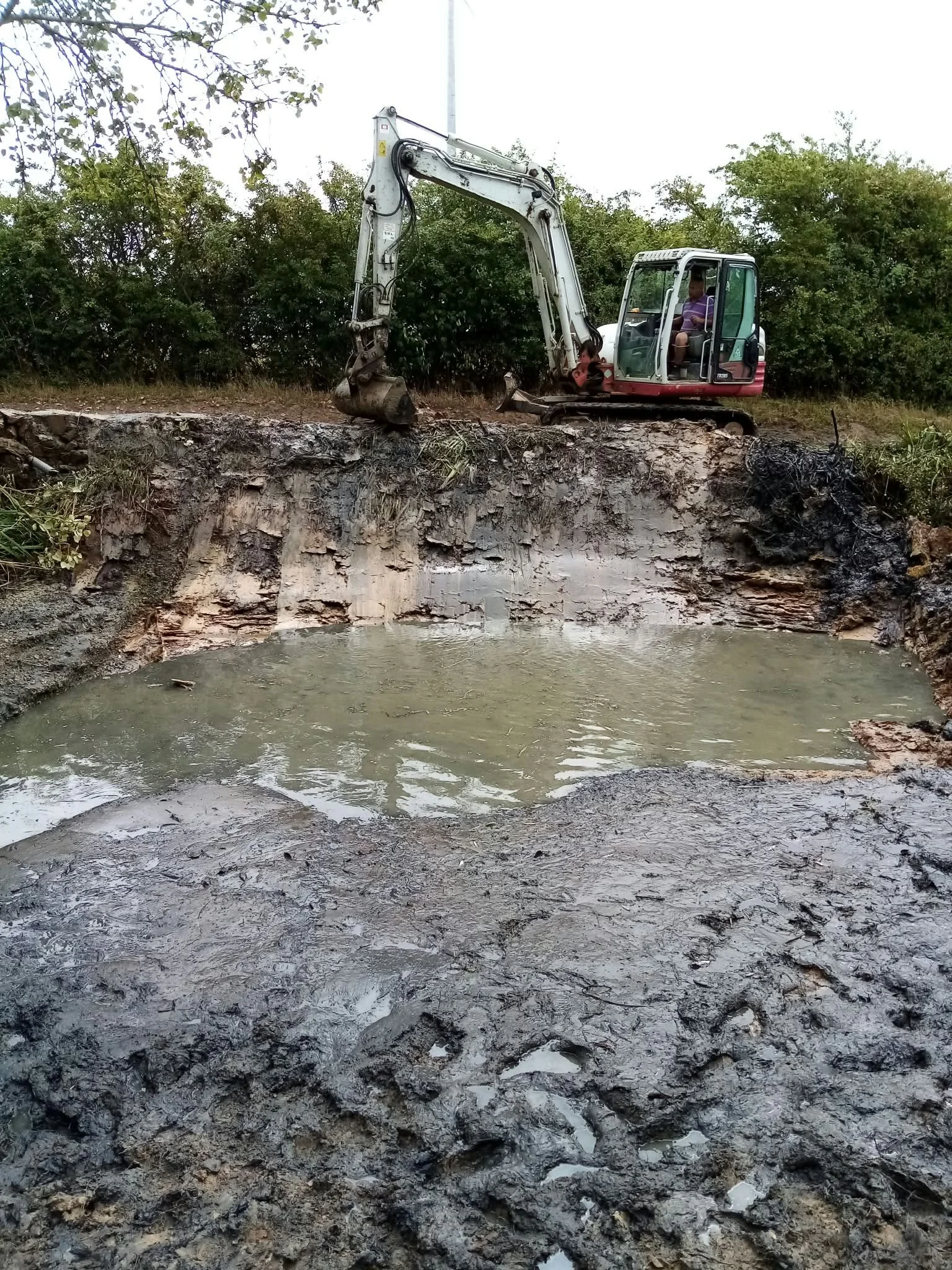
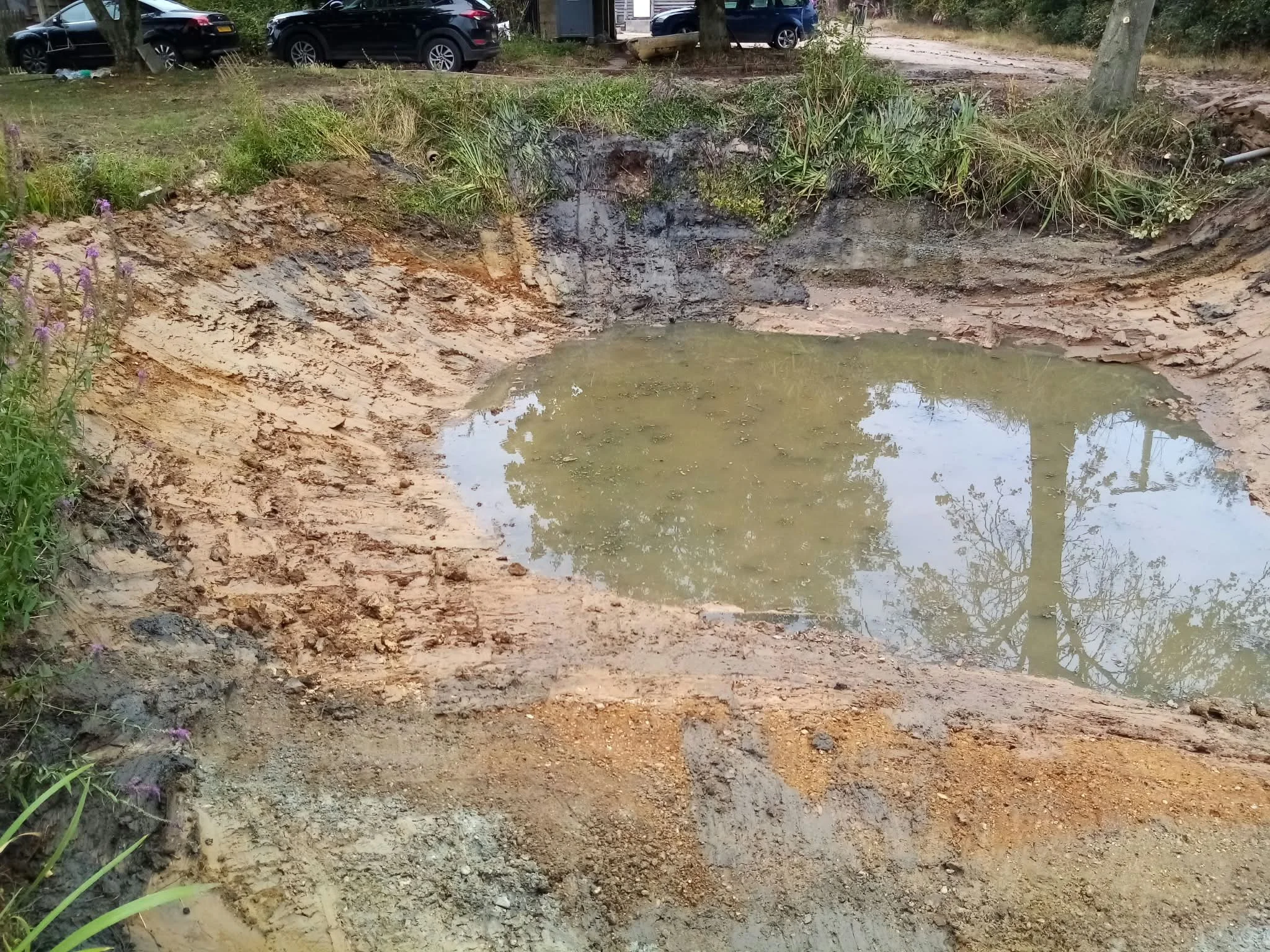
This case study highlights a farmyard pond creation project designed to capture and store clean rainwater running off existing farm buildings. Created within the farmyard, the pond provides a practical water management solution while also delivering valuable environmental benefits.
Prior to the project, rainwater running from the barn roof flowed across the farmyard and was effectively lost from the holding. Recognising the growing challenges posed by hotter, drier summers, the farm sought to retain this clean water resource and make better use of it during periods of water scarcity. The new pond was therefore designed as a water storage feature, collecting roof runoff that can be used when it is needed most.
The stored water has already become an important resource for the farm, providing a reliable source of water for irrigating trees across the holding. This has helped support both young and established plantings during dry periods, improving resilience and reducing pressure on other water supplies.
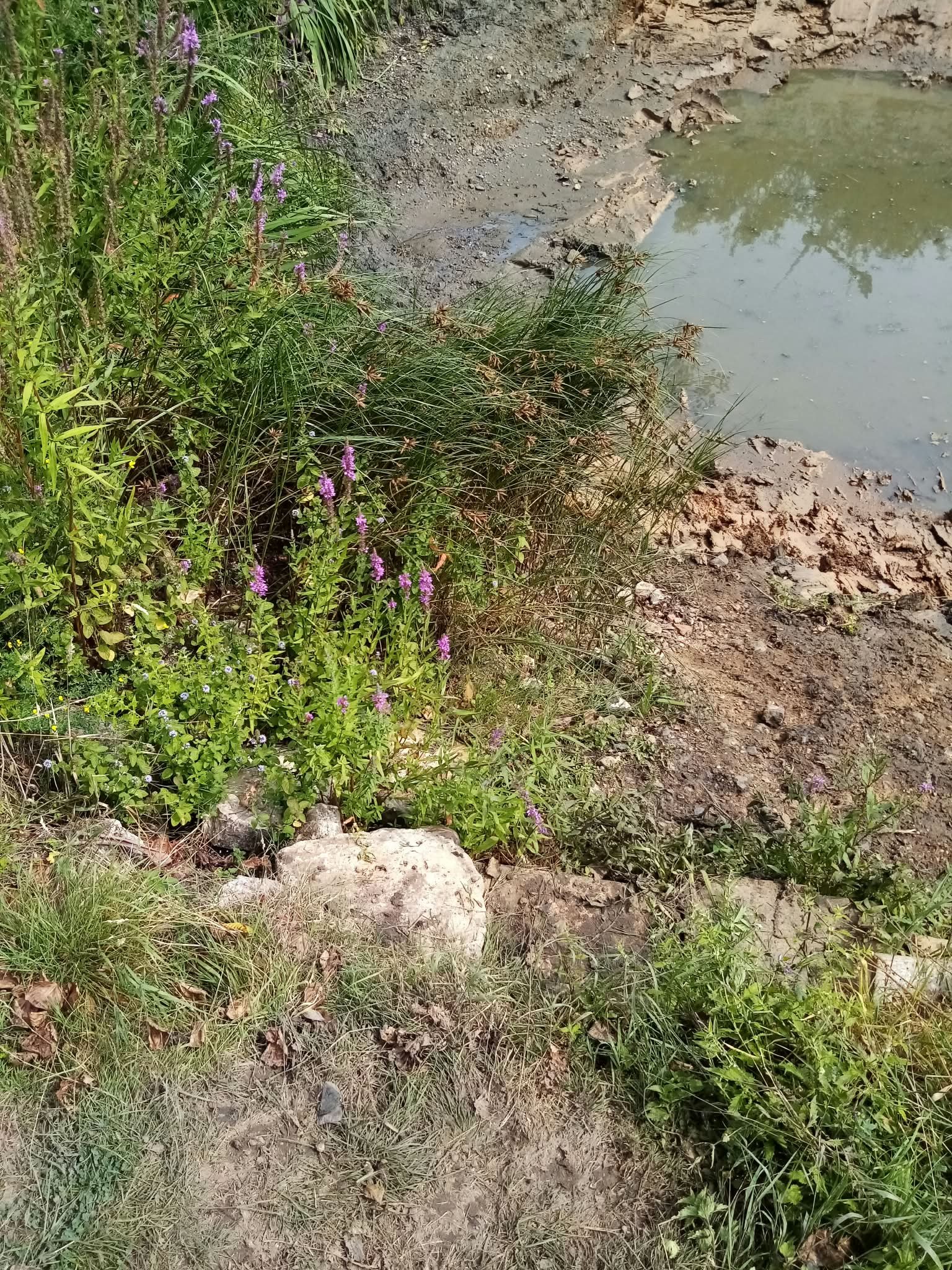
Although the pond was created primarily as a practical water capture and storage feature, it has quickly begun to develop significant ecological value. Open water has attracted a wide range of wildlife, including aquatic insects, amphibians and numerous bird species that use the pond for drinking and bathing. Natural vegetation has also started to establish around the margins, helping to create habitat and shelter in an area that previously offered little biodiversity value.
To further enhance the habitat, willow trees have been planted around the pond edge. As these mature, they will provide additional structure, shade and wildlife resources, helping the pond become further integrated into the wider farm landscape.
A key factor in the success of the project has been the pond's ability to retain water. The excavation was taken deep enough to reach underlying clay layers, creating a naturally sealed basin that has remained full despite prolonged dry conditions. The pond continues to hold water successfully, supporting a growing population of fish and wildlife while maintaining its role as a practical on-farm water resource.
By capturing clean rainwater that would otherwise be lost, the farm has strengthened its resilience to drought, created a new freshwater habitat and introduced a valuable ecological feature within the farmyard environment.
The project also reflects the wider aims of the Tendring Farm Cluster by showing how practical land management decisions can contribute to both farm productivity and nature recovery. Small-scale interventions such as this can improve water security, support biodiversity and create lasting environmental value while continuing to meet the day-to-day needs of the farm business.